Mount Everest – The Ultimate Adventure Destination


6
Mount Everest, often referred to as the highest point on Earth, stands as a symbol of adventure, determination, and natural beauty. Located in the majestic Himalayas on the border between Nepal and China, this iconic mountain rises to an incredible height of 8,848.86 meters above sea level. Known locally as Sagarmatha in Nepal and Chomolungma in Tibet, Mount Everest has fascinated explorers, climbers, and travelers from around the world for decades. It is not just a mountain; it represents human ambition and the desire to conquer the impossible.
The history of Mount Everest exploration dates back to the early 20th century when British expeditions first attempted to reach its summit. However, it was not until 1953 that the mountain was successfully climbed for the first time by Sir Edmund Hillary and Tenzing Norgay. Their achievement marked a historic moment in mountaineering history and inspired countless others to follow in their footsteps. Since then, thousands of climbers have attempted to summit Everest, although it remains a dangerous and challenging journey that requires physical strength, mental endurance, and proper preparation.
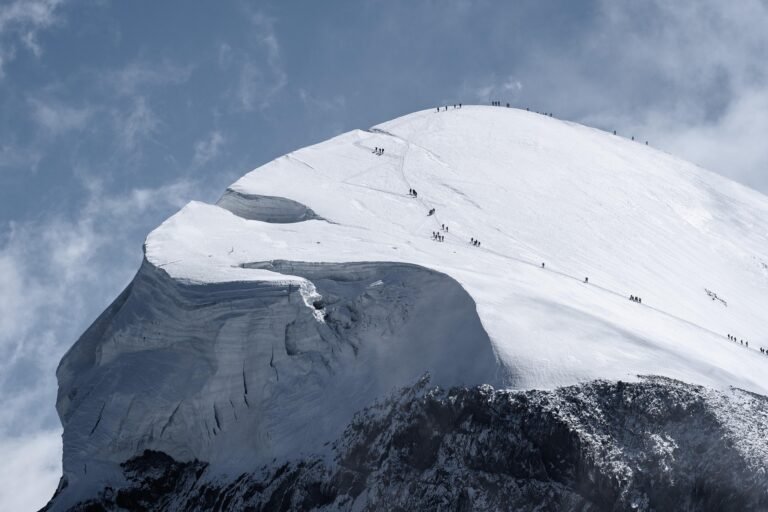
Mount Everest is famous not only for its height but also for its extreme weather conditions. Temperatures at the summit can drop below -60°C, and strong winds often exceed 160 kilometers per hour. The mountain is covered with glaciers, deep crevasses, and icefalls, making it one of the most dangerous climbing destinations in the world. One of the most challenging sections of the climb is the Khumbu Icefall, a constantly shifting mass of ice that climbers must cross carefully. Despite modern equipment and technology, Everest continues to test the limits of human capability.
Apart from climbing, Mount Everest is also a popular destination for trekking. The Everest Base Camp trek is one of the most famous trekking routes in the world, attracting thousands of tourists every year. This journey offers breathtaking views of snow-capped peaks, lush valleys, and traditional Sherpa villages. Trekkers get a chance to experience the unique culture and hospitality of the Sherpa people, who have lived in the region for generations. The route also passes through Sagarmatha National Park, a protected area known for its diverse wildlife, including snow leopards, red pandas, and Himalayan monals.
The growing popularity of Mount Everest has also raised environmental concerns. Overcrowding during the climbing season and increasing waste on the mountain have become serious issues. Climbers and authorities are now working together to promote sustainable tourism and protect this natural wonder. The government of Nepal has introduced strict regulations, including permits and waste management rules, to preserve the beauty and safety of the region. Efforts are also being made to clean up old expedition waste and maintain the mountain’s ecosystem.
Mount Everest is not just about physical adventure; it is also a source of inspiration for people around the world. Many climbers see reaching the summit as a lifelong dream, while others visit the region simply to admire its beauty and serenity. The mountain has been featured in numerous books, documentaries, and films, further increasing its global recognition. It teaches valuable lessons about perseverance, courage, and respect for nature.
In conclusion, Mount Everest stands as one of the most remarkable natural landmarks on Earth. Its towering presence, challenging environment, and cultural significance make it a unique destination for adventurers and travelers alike. Whether one dreams of climbing to the top or simply exploring the surrounding region, Mount Everest continues to capture the imagination of millions. It is a place where nature’s power is on full display, reminding us of both the beauty and the challenges of our planet